

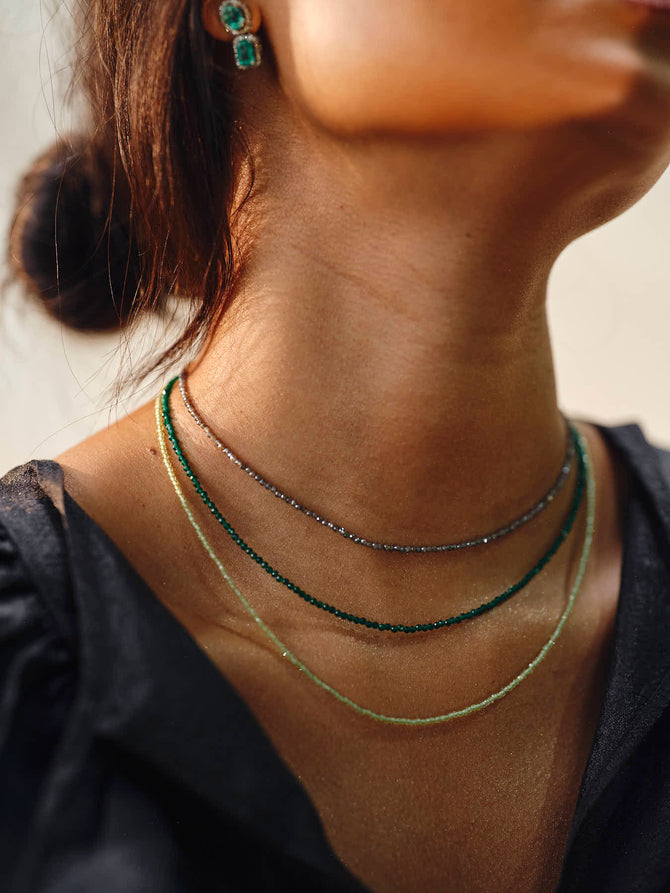
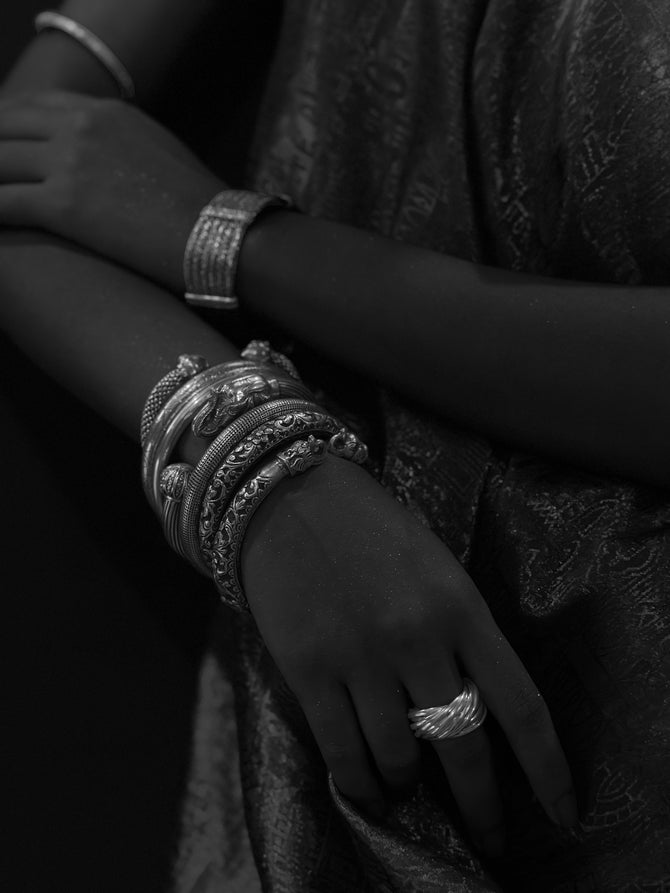
Last month we took part in Urja, the annual exhibition held at Laxmi Vilas Palace in Vadodara, and it gave us a rare chance to see our work the way it's meant to be seen — in person, in an extraordinary setting, in the hands of the people who wear it.
A little about where it happened, because the setting mattered. Laxmi Vilas Palace was commissioned by Maharaja Sayajirao Gaekwad III and built in 1890 in the Indo-Saracenic style, a blend of Hindu, Mughal and Gothic influences. Spanning over 500 acres, it is roughly four times the size of Buckingham Palace, which makes it one of the largest private residences in the world. It still houses rare Raja Ravi Varma paintings and remains the living home of the Gaekwad family. For a brand that designs across cultures, showing inside a building that itself fuses Eastern and Western design felt entirely fitting. Lakshmi Vilas Palace, Vadodara: India’s Hidden Royal Wonder That’s Bigger Than Buckingham! | The Decor Journal India +2
Urja is run by the Shri Maharani Chimnabai Stree Udyogalya to give artisans a platform and to support women building things by hand, and that spirit shaped what we brought. Alongside our own pieces, we showed a special collection made with tribal women from the Maasai Mara in Kenya and handmade work sourced from Egypt — pieces whose craft carries a real lineage, made by women whose skills deserve a wider audience. Bringing that work into a show dedicated to women's craftsmanship was the point, not a coincidence.
The value of showing in person
So much of what we do happens at a distance — a piece photographed on white and sent out to be judged on a screen — that standing in a room with our customers felt genuinely valuable. You watch someone pick a piece up, react to it, and tell you plainly what they love, which is the kind of immediate, honest feedback no online analytics can offer. But more than the feedback, it was the relationships that stayed with us. People lingered, asked where each piece came from and who made it, and left knowing the brand in a way a product page rarely achieves.
What drew the most attention
Two categories stood out, and the contrast between them was instructive. Visitors were drawn first to our Indian royal collection — the statement pieces with real weight and history, which made complete sense in a setting like this. But they stayed just as long over our newer silver jewellery, with its cleaner, more contemporary lines. What seemed to connect the two in people's eyes was silver itself: a material with centuries of history behind it that takes to modern design as readily as it takes to tradition. Watching people move from the ceremonial to the everyday, and find both worth their time, told us something useful about where our work sits.
We'd walked in thinking the palace was the setting and our jewellery the point, and left understanding it was closer to the other way around. A place with that much history doesn't simply flatter what you make — it measures it, and it introduces you to the people who will carry it home.


